HAMSTER

This tiny, furry creature might look like the perfect low-maintenance pet, but there’s more to hamster ownership than just a wheel and a cage. Owning a hamster can be ethical when you provide proper space, enrichment, and care tailored to their natural behaviors. However, it can become unethical if they’re kept in cramped cages, bought impulsively, or neglected due to misunderstandings about their needs.
There are several domesticated hamster breeds: Syrian hamsters are large and solitary, Dwarf Campbell’s Russians are social but skittish, Winter White Russians can change fur color with the seasons, Roborovskis are tiny and fast with low handling tolerance, and Chinese hamsters are long-tailed, calm, and less commonly kept as pets.
Three Fun facts about hamsters:
Hamsters are nocturnal, meaning they’re most active and make plenty of noise at night.
They can run up to 5 miles in a single night on their wheel!
Hamsters have cheek pouches that can stretch all the way to their shoulders to store food.

Why You Should Get a Hamster
Hamsters are adorable, low-maintenance pets compared to cats or dogs, making them great companions for busy people or small living spaces. They don’t need walks, grooming appointments, or constant attention, but still offer loads of personality and entertainment. Plus, watching them stuff their cheeks or zoom around at night is endlessly fun!
How to Read a Hamster’s Body Language
Hamster Supplies on a Budget

Bin Cage
🔗 Tutorial: How to Make a Bin Cage (Victoria Raechel on YouTube)

Water Bottle
You can use a water bottle or a small, shallow glass dish, low enough to prevent drowning, as both help reduce spills, keep bedding dry, and lower the risk of contamination.

Hideout and Chew Toys

Food
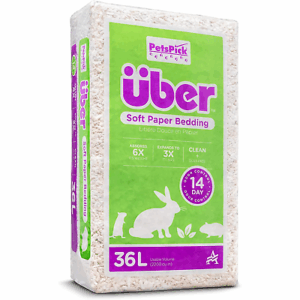
Paper Bedding

Running Wheel